From Dialogue to Direction: Indonesia Advances an End-to-End Approach to Sustainable Waste Management
Jakarta, 9 April 2026 — Indonesia is taking a decisive step toward transforming its waste management system, as policymakers, practitioners, and industry leaders gathered at Hotel Gran Mahakam for a national dialogue under the Sustainable Infrastructure Programme in Asia (SIPA).
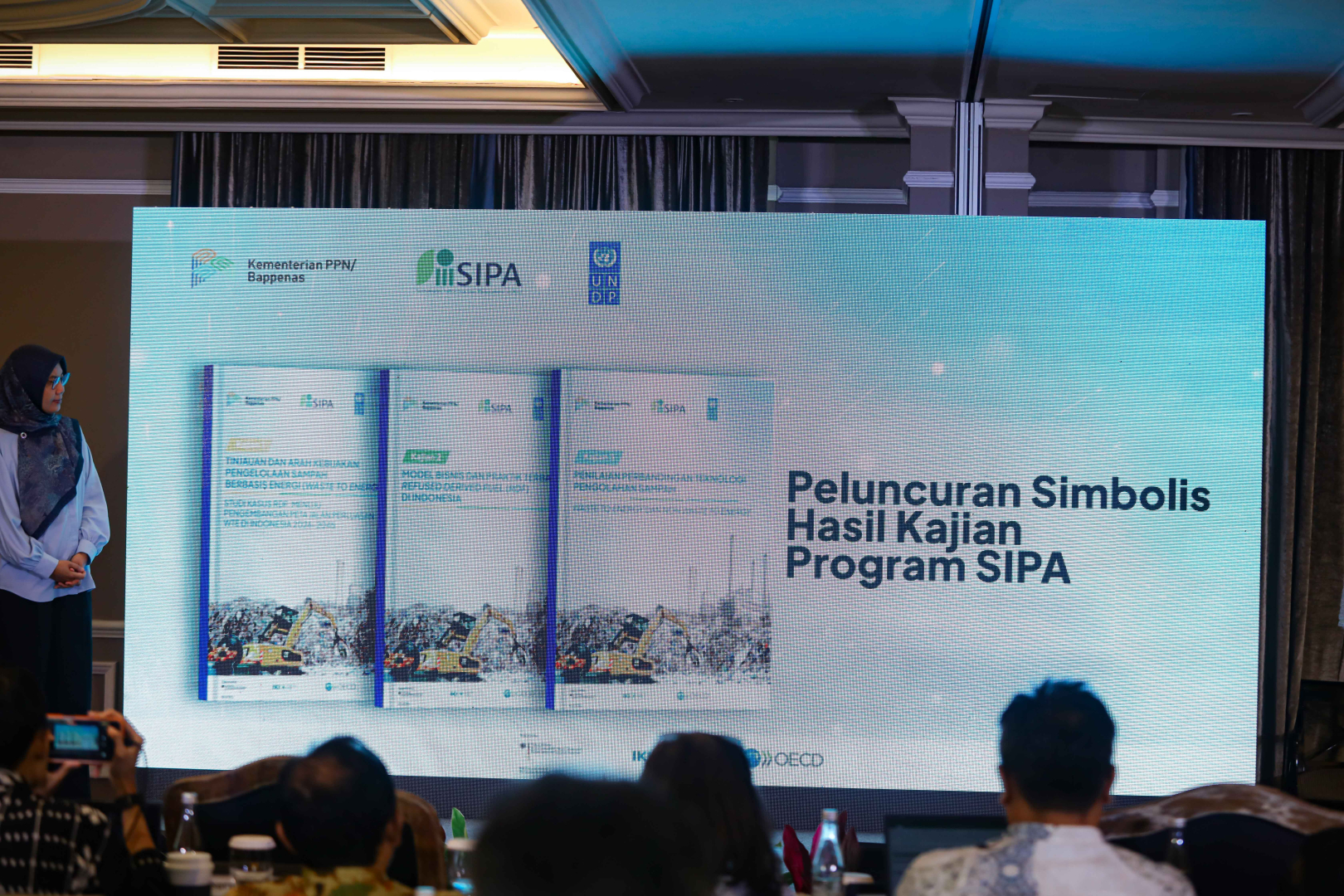
Framed around the theme “Towards Sustainable Waste Management: End-to-End Approach and Lessons Learned from Waste-to-Energy Implementation,” the event marked not only the launch of key strategic studies but also a collective effort to move beyond fragmented solutions toward a more integrated, system-wide approach.
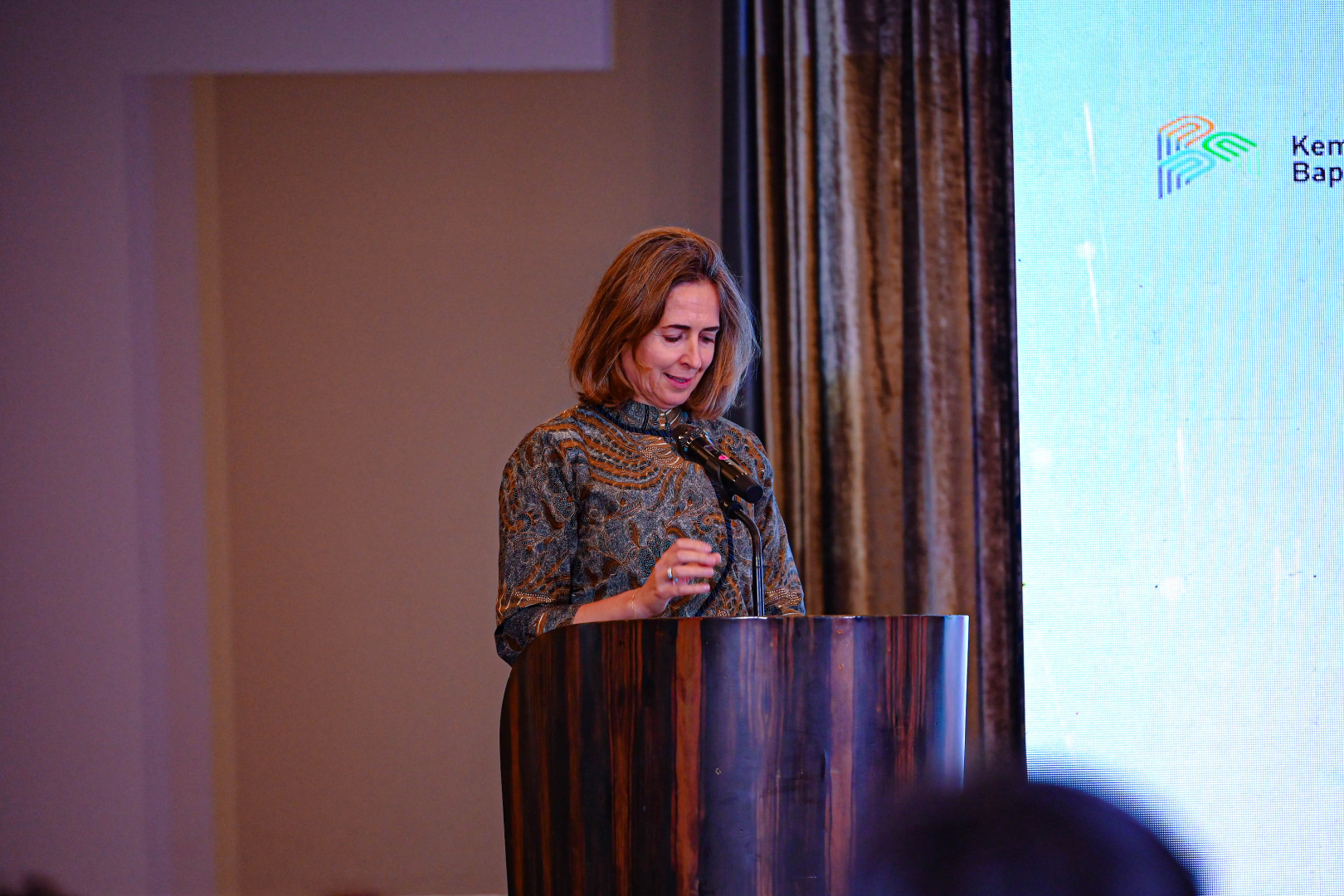
Opening the event, Sara Ferrer, UNDP Indonesia Resident Representative, underscored the urgency of the transition. “Sustainable waste management is not only an environmental necessity—it is a strategic entry point to accelerate Indonesia’s transition towards a low-carbon and circular economy. This requires an end-to-end approach, where policy, technology, financing, and community engagement come together as one system,” she noted.
This call for integration was echoed and reinforced at the highest level of national planning.
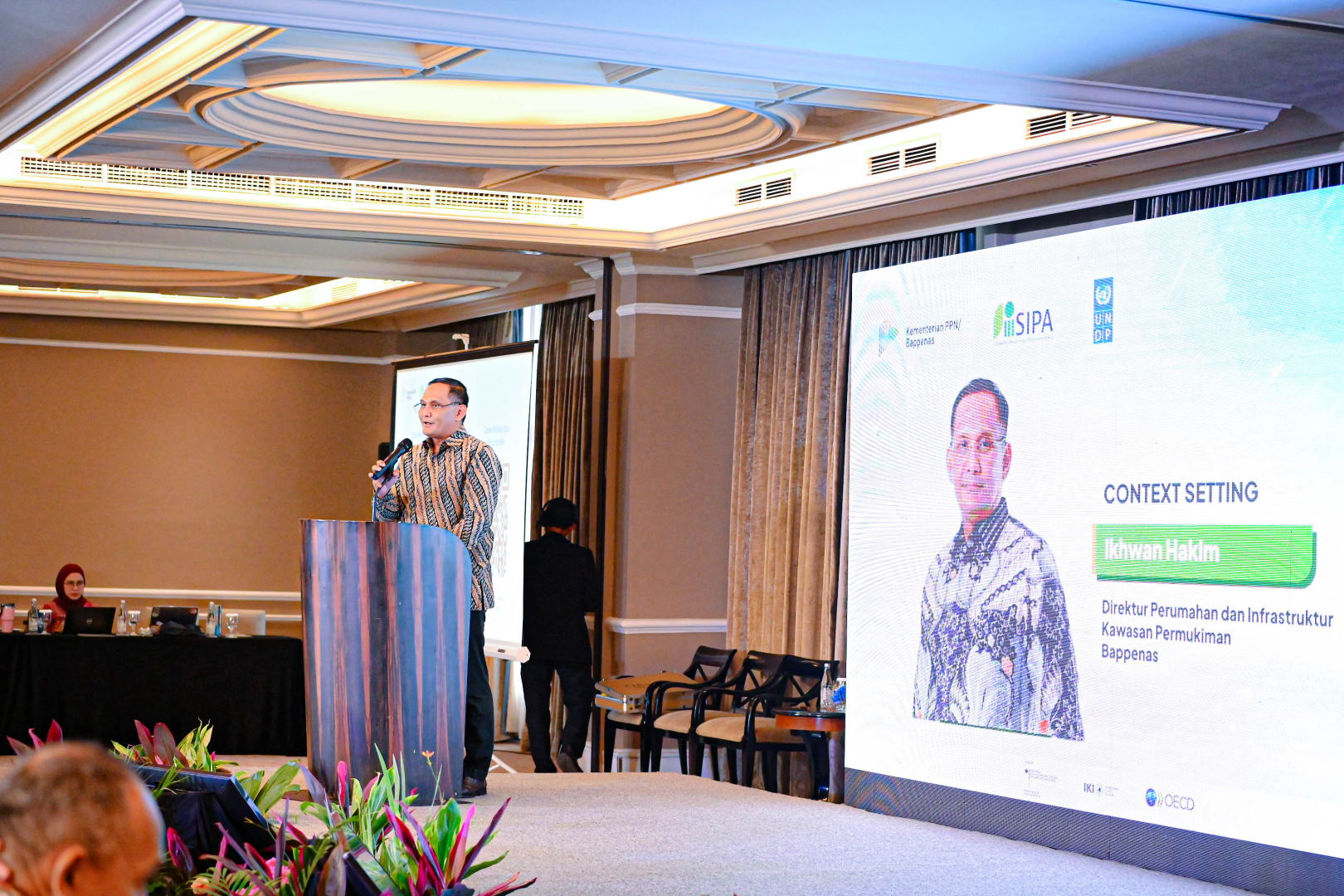
Delivering the keynote address, the Deputy for Infrastructure at Bappenas emphasized that waste management must be positioned at the core of Indonesia’s long-term development vision. “An end-to-end integrated waste management system is essential to achieving our national development targets. It is not only about managing waste, but about building sustainable infrastructure systems that support economic growth, environmental protection, and long-term resilience,” he stated, highlighting its critical role in achieving the RPJMN 2025–2029 and RPJPN 2045.
Building the Foundation: Beyond Technology, Towards Systems
The first talk show session brought this vision into practical focus. Discussions challenged the notion that Waste-to-Energy (WtE) and Refuse-Derived Fuel (RDF) technologies alone can solve Indonesia’s waste challenges. Instead, speakers emphasized that these solutions can only succeed if embedded within a strong, end-to-end system.
From upstream waste reduction and sorting, to downstream processing and utilization, every stage must function cohesively. Without proper segregation at source and reliable waste streams, even the most advanced technologies risk underperformance.
Experiences shared by local governments, including Banyuwangi and Cimahi, illustrated this reality. Institutional readiness, governance arrangements, and sustainable business models—such as the establishment of BLUD—were identified as critical enablers. At the same time, persistent challenges remain, including gaps in technical standards, infrastructure readiness, and coordination across levels of government.
Choosing the Right Path: Technology Must Fit the Context
The second session shifted attention to technology selection, reinforcing another key insight: there is no universal solution.
Experts from government, research institutions, and academia emphasized that waste management technologies must be tailored to local conditions. Factors such as waste composition, geographic context, financial capacity, and existing infrastructure all play a defining role.
Rather than replicating external models, Indonesia’s approach must be grounded in its own realities—supported by research, innovation, and strong national standards such as SNI.
This principle came to life during an interactive simulation exercise, where participants were tasked with designing waste management systems for different scenarios. Most groups favored a phased and integrated approach—combining multiple technologies and prioritizing upstream interventions—over a single, large-scale solution.
The exercise revealed a growing maturity in perspective: the challenge is not choosing the “best” technology, but designing the most appropriate system.
From Insights to Action: Strengthening the Ecosystem
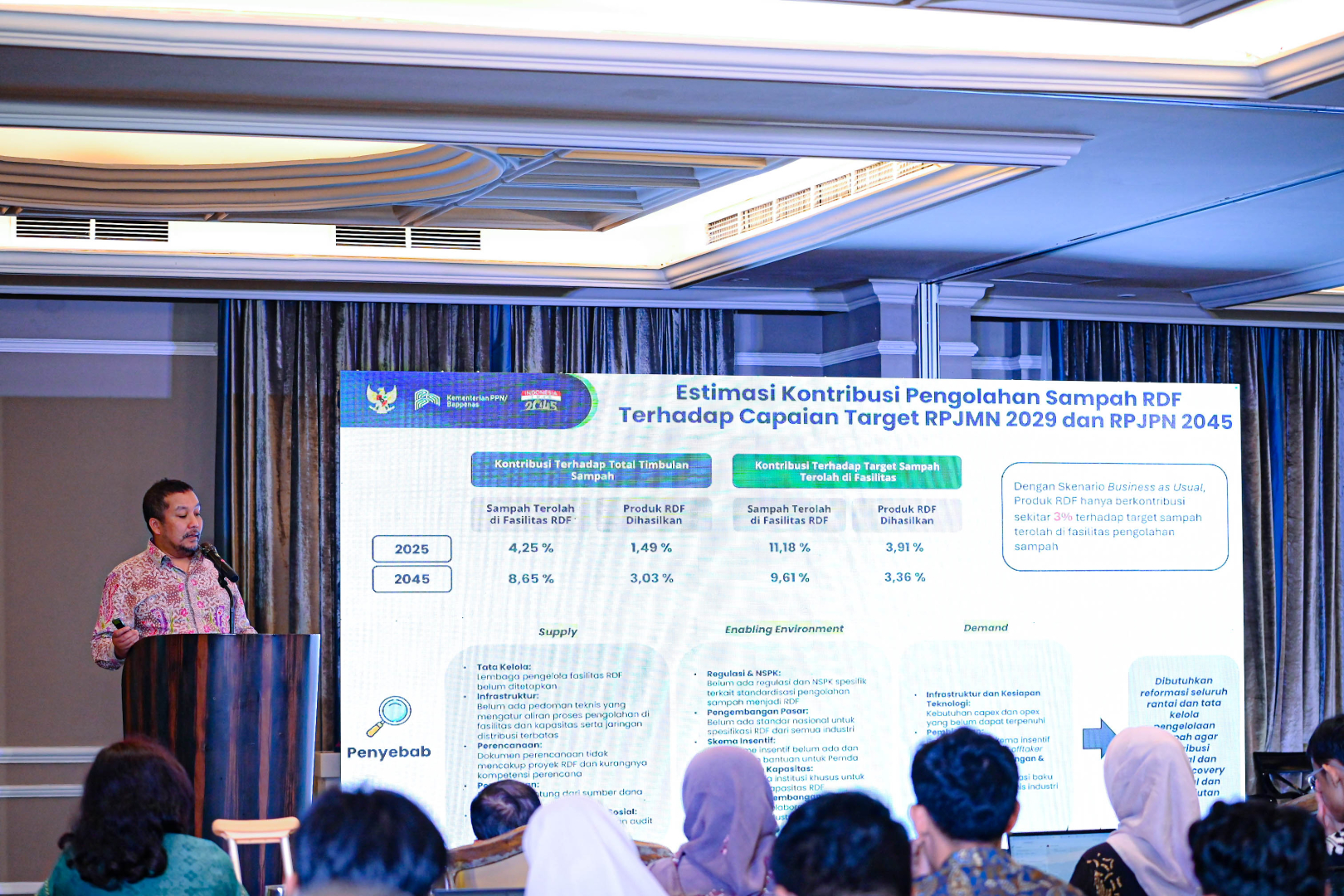
The final dissemination and dialogue session brought together key findings from the SIPA studies, connecting policy direction, technological pathways, and business models.
A recurring theme was the importance of ecosystem readiness. Successful RDF and WtE implementation depends on more than infrastructure—it requires reliable feedstock, consistent quality, and strong linkages with off-takers, particularly in the cement and energy sectors.
Industry representatives highlighted that while demand for RDF is increasing, supply-side constraints remain a major bottleneck. Consistency, logistics, and quality assurance are critical to building industry confidence and scaling up adoption.
At the same time, financing institutions stressed the need to develop bankable projects supported by clear regulatory frameworks and innovative financing mechanisms. Strengthening project preparation and aligning investment strategies will be essential to unlock large-scale implementation.
Across all sessions, one message stood out clearly: upstream waste management—especially sorting at source and community engagement—is fundamental. Without it, downstream solutions cannot deliver their full potential.
A Shared Commitment Moving Forward
As the dialogue concluded, there was a strong sense that Indonesia is entering a new phase—one defined not just by ideas, but by action.
The discussions throughout the day highlighted that the building blocks are already in place: policy direction, technical knowledge, and multi-stakeholder partnerships. The challenge now lies in accelerating implementation, strengthening coordination, and ensuring that solutions are grounded in local realities.
With the successful dissemination and launch of SIPA’s study outputs, Indonesia is now better equipped to translate insight into impact—advancing toward a waste management system that is integrated, sustainable, and resilient.