
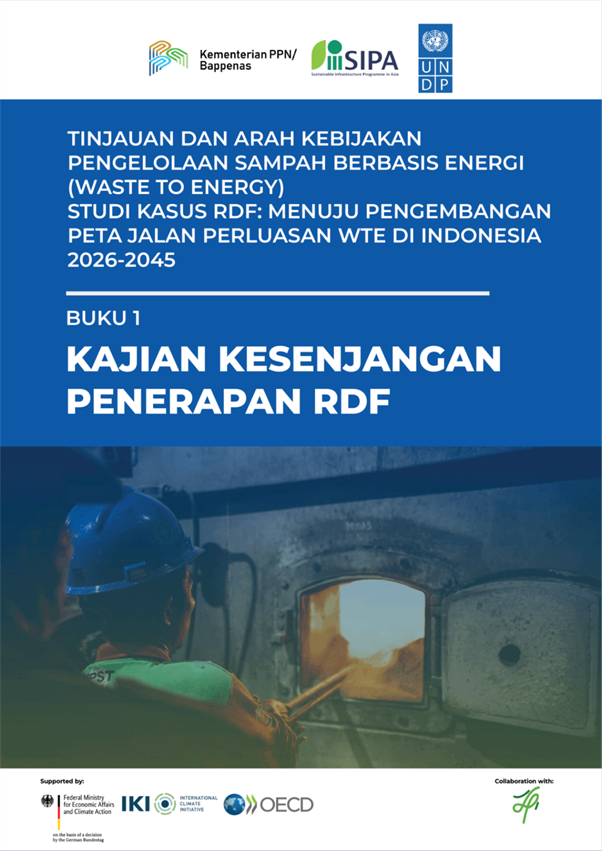
Gap Analysis of RDF Implementation in Indonesia (Bahasa Indonesia Ver.)
Refuse-Derived Fuel (RDF) is a waste treatment technology that converts solid waste into an environmentally friendly alternative fuel. RDF is considered strategic not only for reducing dependence on fossil fuels but also for decreasing the volume of waste disposed of in final processing sites (Tempat Pemrosesan Akhir/ TPA).
However, the implementation of RDF in Indonesia still faces several challenges, ranging from regulatory and infrastructure issues to the readiness of industries as end users (offtakers). Based on this study, only about 22% of RDF facilities operate at their designed capacity, while most are still underperforming. On the other hand, the potential demand for RDF from the cement industry, coal-fired power plants, and other sectors is considerable and could support the national energy transition.
This study analyzes the gaps in RDF implementation in Indonesia from three main perspectives:
- Supply (RDF Provision) – covering the collection, processing, and supply of RDF.
- Demand (RDF Utilization) – the needs of industries that use RDF as a substitute for conventional fuels.
- Enabling Environment – regulations, policies, incentives, and the broader ecosystem that ensures RDF sustainability.
The findings indicate the need for stronger policies, infrastructure modernization, sustainable financing schemes, and industry incentives to accelerate RDF adoption. In addition, capacity building, research, and multi-stakeholder collaboration are key to ensuring successful RDF expansion in Indonesia.
With the right strategies, RDF has the potential to become a long-term solution for national waste management while supporting the clean energy transition and the 2060 Net Zero Emission target.
Please download the full report through the link below:
Gap Analysis of RDF Implementation in Indonesia (Bahasa Indonesia Version)