
Advancing Sustainable Waste Management: SIPA Indonesia and Bappenas Discuss the RDF Cilacap Business Model
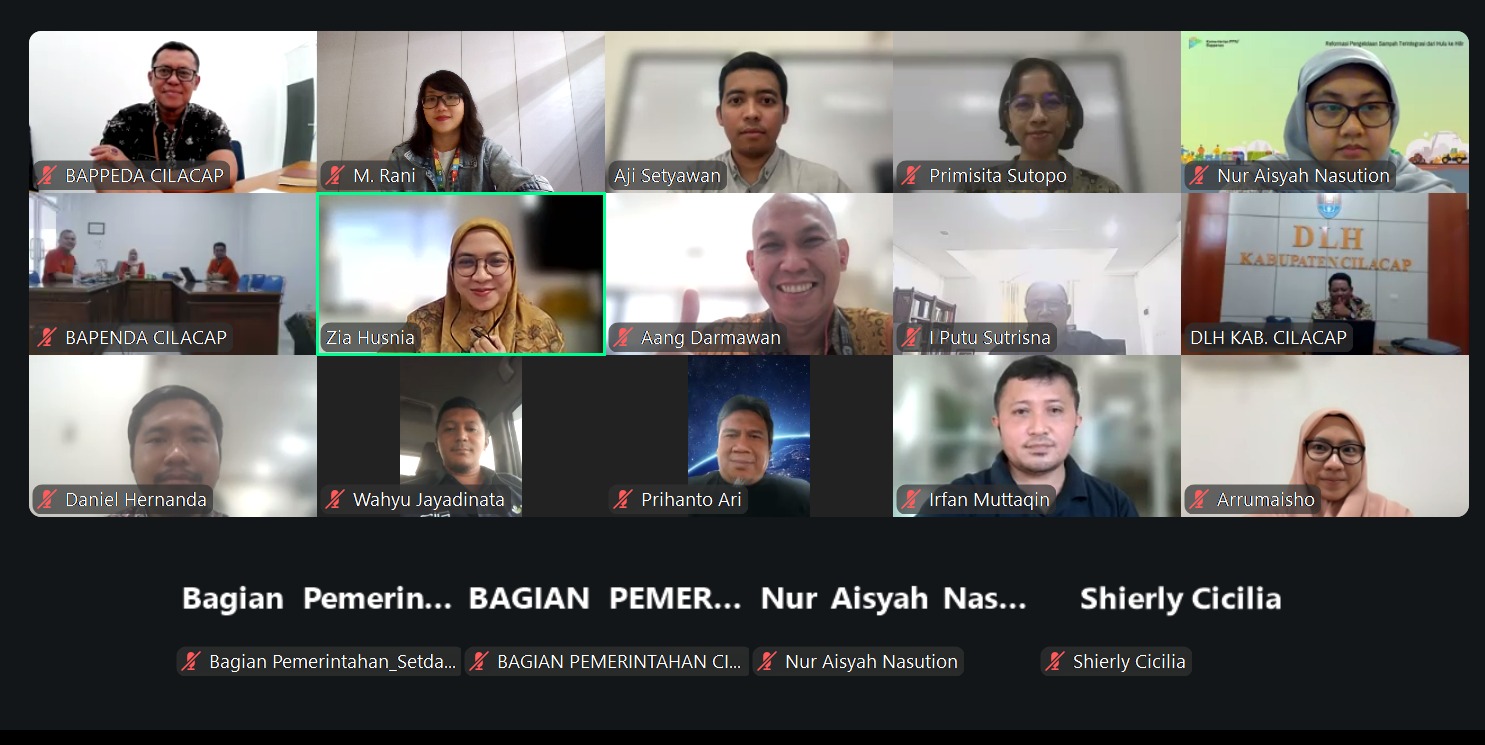
Jakarta/Zoom Meeting (Hybrid), 7 November 2025 — UNDP Indonesia through The Sustainable Infrastructure Programme in Asia (SIPA), in collaboration with the Ministry of National Development Planning (Badan Perencanaan Pembangunan Nasional/ Bappenas) and local partners, convened a technical focused discussion on the development of Refuse-Derived Fuel (RDF) as a sustainable waste management solution in Cilacap Regency. The session brought together representatives from the Directorate of Housing and Settlement Infrastructure area at Bappenas, Cilacap Regional Development Planning Agency (Badan Perancanaan Pembangunan Daerah/ Bappeda), Cilacap Environmental Agency (Dinas Lingkungan Hidup/ DLH), PT Solusi Bangun Indonesia (PT SBI), and PT Semen Indonesia Group (PT SIG).
The meeting served as a follow-up to previous technical dialogues on waste-to-energy initiatives, focusing on RDF as a low-carbon solution that supports Indonesia’s transition toward cleaner energy and circular waste management practices. The discussion highlighted key findings from the RDF Cilacap case study, developed under the SIPA programme supported by UNDP Indonesia, which aims to identify viable business models and best practices for RDF facilities nationwide.
During the session, the expert team presented the Cilacap RDF operational and financial performance analysis, emphasizing areas for technical and institutional improvement. The study revealed that the RDF facility at Integrated Waste Management Facility (Tempat Pengolahan Sampah Terpadu/ TPST) Jeruklegi, operating since 2020, currently processes approximately 79 tons of municipal solid waste (MSW) per day—about half of its design capacity of 150 tons. Technical optimization, such as improved pre-sorting systems, additional equipment, and enhanced operational management, could significantly raise efficiency and reduce operating costs by up to 41%.
From the financial perspective, the RDF facility’s viability could be strengthened through enhanced community participation and waste retribution reform. The study underscored the importance of innovative payment systems, integration with utility billing, and digital-based collection mechanisms to increase transparency and sustainability. Under an improvement scenario, the RDF model in Cilacap could achieve a positive net cost recovery and an internal rate of return (IRR) of over 14%, indicating long-term financial feasibility.
Bappenas and local government representatives also discussed the strategic move to transform the current Regional Technical Implementation Unit (Unit Pelaksana Teknis Daerah/ UPTD)-based management system into a Regional Public Service Agency (Badan Layanan Umum Daerah/ BLUD) model, which would allow greater flexibility in financial management, partnership development, and performance-based operations. This transformation is viewed as a key step toward establishing a professional and accountable RDF management system that ensures consistent service delivery and community engagement.
The dialogue further emphasized the importance of stakeholder engagement and social inclusion, including the active participation of informal waste workers, local communities, and private sector partners. The collaborative approach aims to strengthen local ownership, improve public awareness, and secure long-term sustainability for RDF operations.
As part of its broader mandate, SIPA Indonesia—implemented by UNDP under the global SIPA framework led by the OECD—continues to support the Government of Indonesia in promoting sustainable and low-carbon infrastructure solutions. The RDF initiative in Cilacap serves as a model of cross-sector collaboration and an example of how waste management innovation can contribute to Indonesia’s national goals for circular economy and climate resilience.